
Key Takeaways
- Bankruptcy can significantly impact your credit, but rebuilding is possible with strategic, consistent action.
- Reviewing and disputing errors on your credit reports is a crucial first step to ensure all information is accurate.
- Opening secured credit cards or credit-builder loans and making timely payments are effective ways to start improving your credit score.
- Keeping low credit utilization (below 30%) and avoiding the accumulation of new debt helps accelerate credit recovery.
- Beware of predatory credit repair services that promise quick fixes; rely instead on reputable practices and gradual progress.
- Monitoring your credit reports regularly and maintaining good financial habits are essential for long-term credit health after bankruptcy.
Facing bankruptcy can feel overwhelming and isolating. Many of us worry about how it will impact our financial futures and wonder if rebuilding credit is even possible. The truth is, thousands of people have walked this path before and found hope on the other side.
With over 20 years of experience and more than 200 cases handled, we’ve seen firsthand how life can change after bankruptcy. Have you ever asked yourself how long it takes to recover or what steps to take first? You’re not alone. Rebuilding credit after bankruptcy isn’t just a dream—it’s a real and achievable goal.
Let’s explore practical ways to move forward. Together, we can focus on small, steady actions that help restore financial confidence and open new doors. Are you ready to take the next step?
Rebuild Your Credit with Confidence After Bankruptcy
You don’t have to navigate life after bankruptcy alone. Shanner Law has helped hundreds of San Diego residents rebuild their financial lives with smart, practical strategies. From correcting credit report errors to guiding your first secured card, we’ll support you every step of the way. Contact us today and take the first step toward a stronger financial future.
Understanding Credit Repair After Bankruptcy
Credit repair after bankruptcy needs a new approach because financial reports show bankruptcy for up to 10 years. Still, this mark doesn’t prevent all forms of credit improvement. Many people ask, “How soon can we start building our credit?” or “Which steps matter most after bankruptcy?” Addressing these questions helps reduce uncertainty.
Credit report reviews allow us to spot old or incorrect items. If we see inaccurate debts or outdated listings, we can dispute them with credit bureaus. Accurate records help lenders see progress, not just past troubles.
Timely payments form the core of rebuilding. Each month we pay on time, positive data gets added to our file. Consistent payments on recurring bills like rent or utilities—even small balances—demonstrate change. Lenders consider this recent activity when making future decisions.
Small secured credit lines offer another path. These cards need a cash deposit equal to the credit limit. They don’t require good credit to open, and using them wisely accelerates recovery. Using less than 30% of any available limit keeps ratios healthy.
Budget tracking becomes more important after bankruptcy. By watching all monthly income and expenses, we avoid late payments and build savings. Emergency funds, even small ones, protect credit scores when surprises happen.
Rebuilding credit takes steady effort, not just big gestures. How do you organize your financial routines to support progress? Would tracking habits every month feel helpful for your situation? Each step helps us move forward with less uncertainty and more control over our finances.
Challenges Faced After Bankruptcy
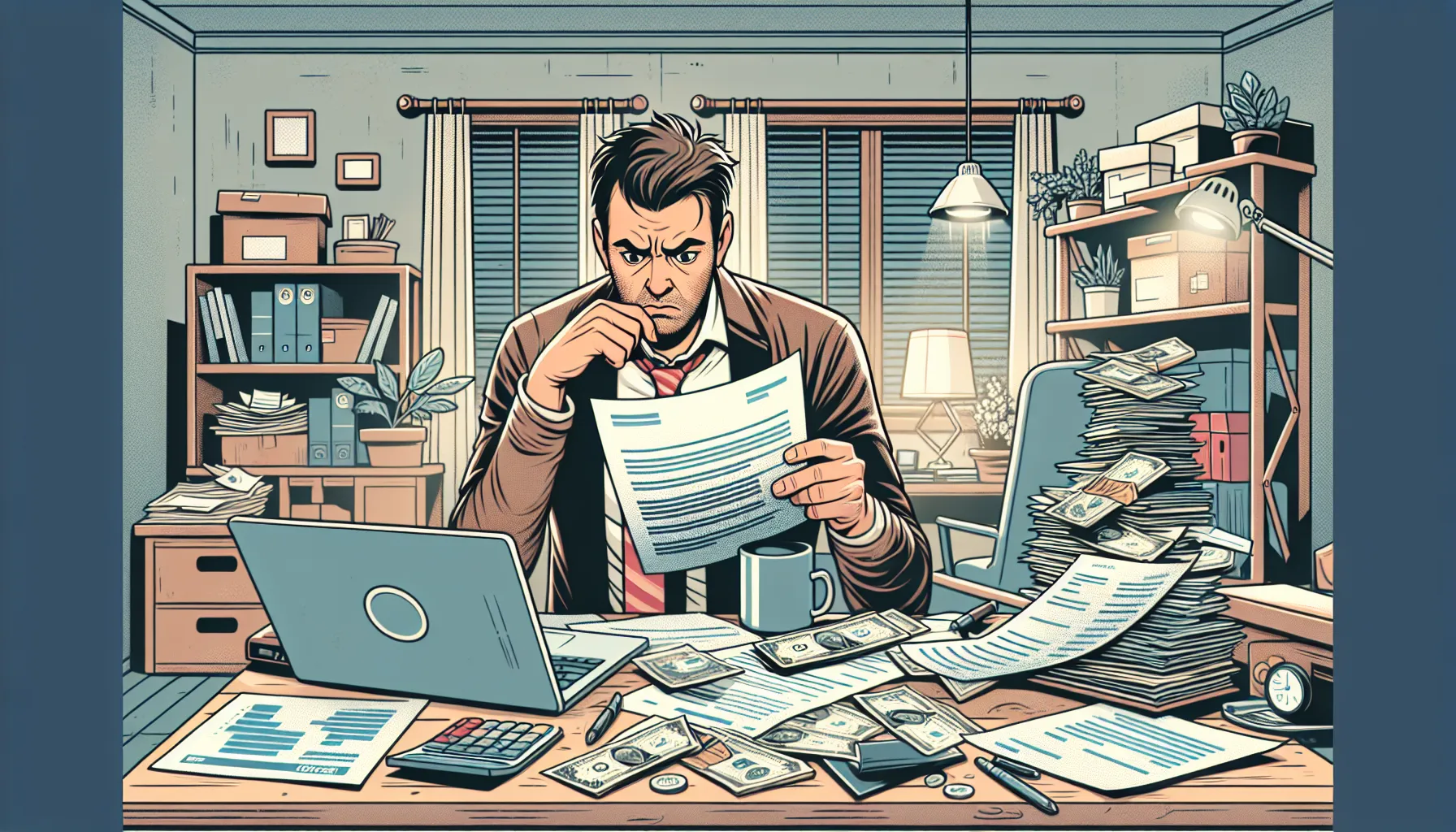
After bankruptcy, many of us notice immediate financial changes that affect daily life and future plans. Have you wondered how these challenges might affect your next steps or what obstacles are most common?
Impact on Credit Score
Bankruptcy typically lowers our credit score by 130 to 240 points, depending on our previous financial history. Negative entries stay on credit reports for up to 10 years. Lenders often see us as high-risk, which means higher interest rates or even credit denials. This shift can cause frustration, especially when trying to rent housing, secure a loan, or open new credit accounts. Have you noticed how difficult it’s become to qualify for everyday essentials since filing?
Common Financial Obstacles
Limited access to credit quickly becomes an obstacle after bankruptcy. Many of us find it tough to qualify for traditional loans or credit cards without a security deposit or higher fees. Saving for emergencies feels harder due to leftover debts, legal costs, or reduced income. Managing monthly bills may feel overwhelming if there’s limited cash flow after discharge. Questions often arise: How do we deal with surprise expenses now, or where can trusted guidance be found for rebuilding financial peace? These issues are common for those recovering from bankruptcy, but understanding them makes it easier to form a clear path forward.
Steps to Begin Credit Repair After Bankruptcy
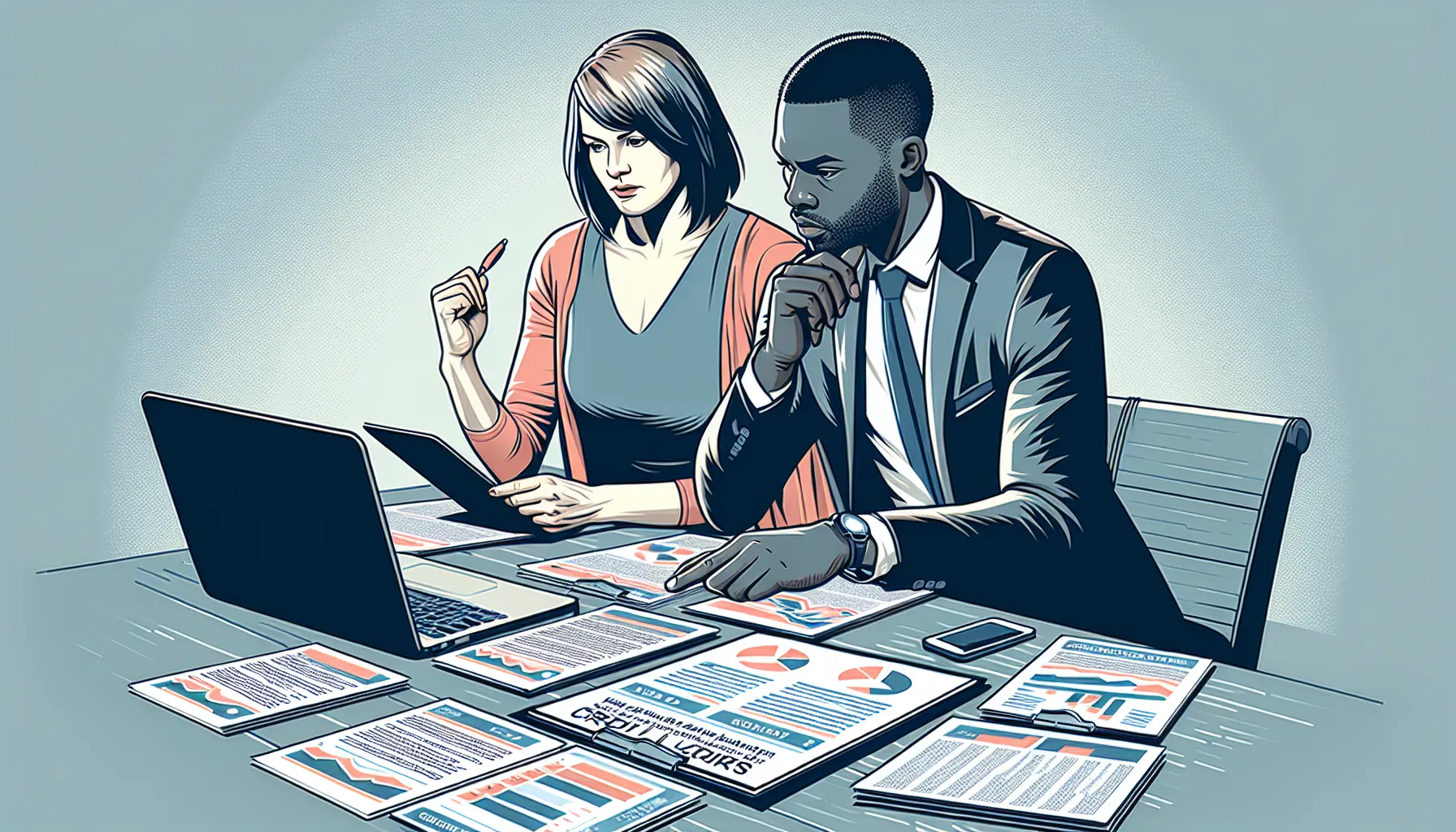
Taking the first steps to rebuild credit after bankruptcy can feel overwhelming. Many people in this position share the same worries and questions. How can we move forward and start fresh, even with a bankruptcy on our record?
Reviewing Your Credit Reports
Checking each credit report gives us a picture of where we stand. Three main credit bureaus—Equifax, Experian, and TransUnion—collect and share this information. After bankruptcy, details like account balances, late payments, and public records appear on these documents. Reviewing all three reports helps spot what’s accurate and what’s not. How familiar are we with the details listed on our own reports? Many discover unauthorized accounts or old debts still reported as unpaid. Regular review keeps us informed and prepared to challenge mistakes.
Disputing Errors on Your Credit Reports
Correcting errors improves credit standing faster. If we find outdated or incorrect items, we can file a dispute with the reporting agency. Written requests and supporting documents work best for this process. Agencies legally must investigate and remove any error within 30–45 days. Have we checked for wrong details, like incorrect filing dates or debts discharged in bankruptcy but still showing as active? Addressing these problems prevents them from holding us back on our path to stronger credit. Each correction makes a difference.
Strategies to Rebuild Credit
We know recovering after bankruptcy brings questions and concerns. How can we take positive steps forward? By focusing on clear, proven strategies, we can begin to repair credit and regain financial confidence.
Secured Credit Cards and Loans
Using secured credit cards and loans provides a practical, accessible path to start rebuilding credit. A secured card uses a cash deposit as collateral. Issuers usually set the credit limit equal to the deposit, which makes approval easier for those with bankruptcy on their record. Small secured loans, sometimes called credit-builder loans, work in a similar way. By borrowing a set amount held in a savings account and making regular payments, we can show responsible behavior to the credit bureaus. Positive repayment activity usually appears on credit reports within 30 to 60 days. Opening one secured card or loan and paying on time each month lays a solid foundation for future credit growth.
Responsible Credit Use and Payment History
Practicing responsible credit use helps rebuild trust with lenders. Making every payment on time, even for small amounts, shows financial stability. Payment history makes up 35% of most scoring models, so each on-time payment matters. We suggest using no more than 30% of the available limit on any card. For instance, if the secured card has a $300 limit, keeping the balance below $90 helps improve our utilization rate, which influences credit scores. Setting up automatic payments or reminders can prevent missed due dates. What habits or tools do you use to keep bills on track? By monitoring balances and paying at least the minimum amount each cycle, we steadily shape a stronger credit profile over time.
Avoiding Common Pitfalls
Recovering from bankruptcy and building credit again takes patience and good choices. Simple mistakes can slow down progress, so being aware of them brings peace of mind. What obstacles feel most confusing or frustrating during this stage?
Predatory Credit Repair Services
Many people want quick fixes for credit after bankruptcy. Some companies promise fast results or “clean” reports, but rarely deliver on these claims. These services often charge high upfront fees and could use illegal practices that put our credit or identity at risk.
Legitimate credit improvement happens through proven steps, not shortcuts. The Federal Trade Commission warns against any business that demands payment before services or guarantees to remove accurate, negative information (FTC.gov). Have you received calls or offers making promises that sound too good to be true? It’s wise to ask questions and read reviews from trustworthy sources before sharing information or paying for services.
Accumulating New Debt
Opening new credit lines can help rebuild history, but overspending or missing payments creates bigger challenges. New debt that grows faster than income or savings can make it harder to recover. Many people try to “start fresh” only to find themselves with balances and bills they can’t manage.
Instead, we can focus on using small amounts of credit, keeping balances well below limits, and paying off amounts in full each month. How do you decide which expenses are essential or which lines of credit help your progress, not hinder it? Careful spending choices help us avoid falling back into financial trouble.
Finding the balance between rebuilding credit and staying free from new debt gives us more options and confidence.
Long-Term Credit Health Tips
Focusing on long-term credit health keeps our financial recovery steady after bankruptcy. Consistent effort and smart habits create a solid foundation for future opportunities. Which small steps can you commit to today that would make your financial journey easier tomorrow?
Monitoring Your Progress
Tracking our progress helps us measure growth and spot issues quickly. Regularly checking credit reports every few months lets us catch new errors or unfamiliar accounts before they cause serious problems. Setting calendar reminders for these check-ins removes guesswork from the process. Watching credit score changes gives us concrete proof that our healthy choices are working. Have you thought about how often you’d like to review your credit details to stay in control?
Maintaining Good Financial Habits
Practicing lasting financial habits strengthens our credit after bankruptcy. Making timely payments on every bill, even small ones, signals responsibility to future lenders. Keeping balances low on any credit cards we use adds another layer of trustworthiness to our profile. Building an emergency fund—even if it’s just a few hundred dollars—helps cushion us from surprise expenses and reduces stress. Reviewing income and spending monthly helps us make choices that match our financial goals. What’s the first positive habit you could maintain to help build your confidence and credit history?
Conclusion
Bankruptcy may feel like a setback but it doesn’t define our financial future. With patience and steady action we can rebuild our credit and regain control over our finances. Every positive step we take brings us closer to new opportunities and greater peace of mind. Let’s stay focused on our goals and remember that lasting financial recovery is within reach.
Frequently Asked Questions
How long does bankruptcy stay on my credit report?
Bankruptcy can remain on your credit report for up to 10 years. However, you can start rebuilding your credit immediately after your case is completed.
When should I start rebuilding my credit after bankruptcy?
You should begin rebuilding your credit as soon as your bankruptcy process is finalized. Taking prompt action helps you recover faster and regain financial stability.
What are the first steps to rebuild credit after bankruptcy?
Start by reviewing your credit reports for errors, disputing any inaccuracies, and making sure all valid debts are reported correctly. Next, focus on making timely payments and consider secured credit cards or loans.
How can I improve my credit score after bankruptcy?
Make all payments on time, keep credit balances low, use secured credit products responsibly, and regularly monitor your credit reports for progress and mistakes.
Is it possible to get a loan or credit card after bankruptcy?
Yes, secured credit cards and certain loans are designed for people rebuilding credit after bankruptcy. Approval is often easier if you provide a cash deposit as collateral.
What mistakes should I avoid during credit repair after bankruptcy?
Avoid quick-fix credit repair scams, opening too many new credit lines at once, missing payments, or overspending. Stick to proven, gradual methods for improving credit.
Why is reviewing my credit report important after bankruptcy?
Errors and outdated information on credit reports can hurt your credit score. Disputing and correcting these issues is crucial for a true financial fresh start.
Will my credit score improve if I dispute errors on my credit report?
Yes, correcting inaccuracies or outdated information can boost your credit score and make it easier to qualify for better financial products.
What are the best habits for long-term credit health after bankruptcy?
Pay your bills on time, keep card balances low, monitor your credit, build an emergency fund, and avoid unnecessary debt. Consistency is key to rebuilding strong credit.
Are there risks with using credit repair services after bankruptcy?
Yes, some services promise fast results but may be costly, ineffective, or even harmful. It’s best to follow established credit-building steps and seek guidance from trusted sources.