
Key Takeaways
- Bankruptcy can immediately stop repossession actions through an automatic stay, providing crucial protection for your home or vehicle.
- Chapter 7 bankruptcy may allow you to keep essential assets using exemptions, while Chapter 13 offers a structured repayment plan to catch up on overdue payments and retain property.
- Filing for bankruptcy impacts your credit and requires meeting specific eligibility requirements, so it’s important to weigh both the short-term relief and long-term effects.
- Alternatives to bankruptcy—such as loan modification, refinancing, forbearance, and repayment plans—can also help prevent repossession without the lasting impact on credit.
- Seeking professional advice ensures you choose the best strategy to protect your assets and achieve greater financial stability.
Facing the threat of repossession can leave anyone feeling anxious and overwhelmed. If you’re struggling to keep your home or vehicle, you’re not alone—many people find themselves in this situation every year. Bankruptcy might sound intimidating, but it can offer a real solution to help protect what matters most to you.
Have you wondered how bankruptcy could stop creditors from taking your property? We understand the stress and uncertainty that come with financial challenges. Let’s explore how this legal process could give you the breathing room you need and a chance to start fresh. What questions do you have about keeping your assets safe through bankruptcy?
Stop Repossession Before It’s Too Late—Explore Your Legal Options Now
Worried about losing your car or home? Shanner Law can help you take control with legal solutions like bankruptcy or repayment plans that stop repossession in its tracks. Our experienced team will explain your rights, guide you through your options, and work to protect your most valued assets. Don’t wait for the worst to happen—contact us today and take the first step toward financial stability.
Understanding Repossession and Bankruptcy
Financial stress can feel overwhelming when the risk of repossession threatens your stability. We’re here to break down how bankruptcy can offer a protective option. Are you wondering how these legal processes connect to your situation?
What Is Repossession?
Repossession occurs when a lender takes back property—like a car or home—after someone misses required payments. Many people face this challenge with auto loans and mortgages. Lenders usually begin the process after repeated late payments. If you’re concerned about losing your car or house, you’re not alone. What assets are you worried about protecting right now?
How Bankruptcy Can Help
Bankruptcy can pause collection activities, including repossession, through what’s called the “automatic stay.” This court order stops creditors from taking your property while your case proceeds. Depending on the type—Chapter 7 or Chapter 13—bankruptcy could let you keep certain assets, set up a payment plan, or even catch up on late payments without pressure from creditors. Have you explored if these protections might fit your goals?
Types of Bankruptcy Protection
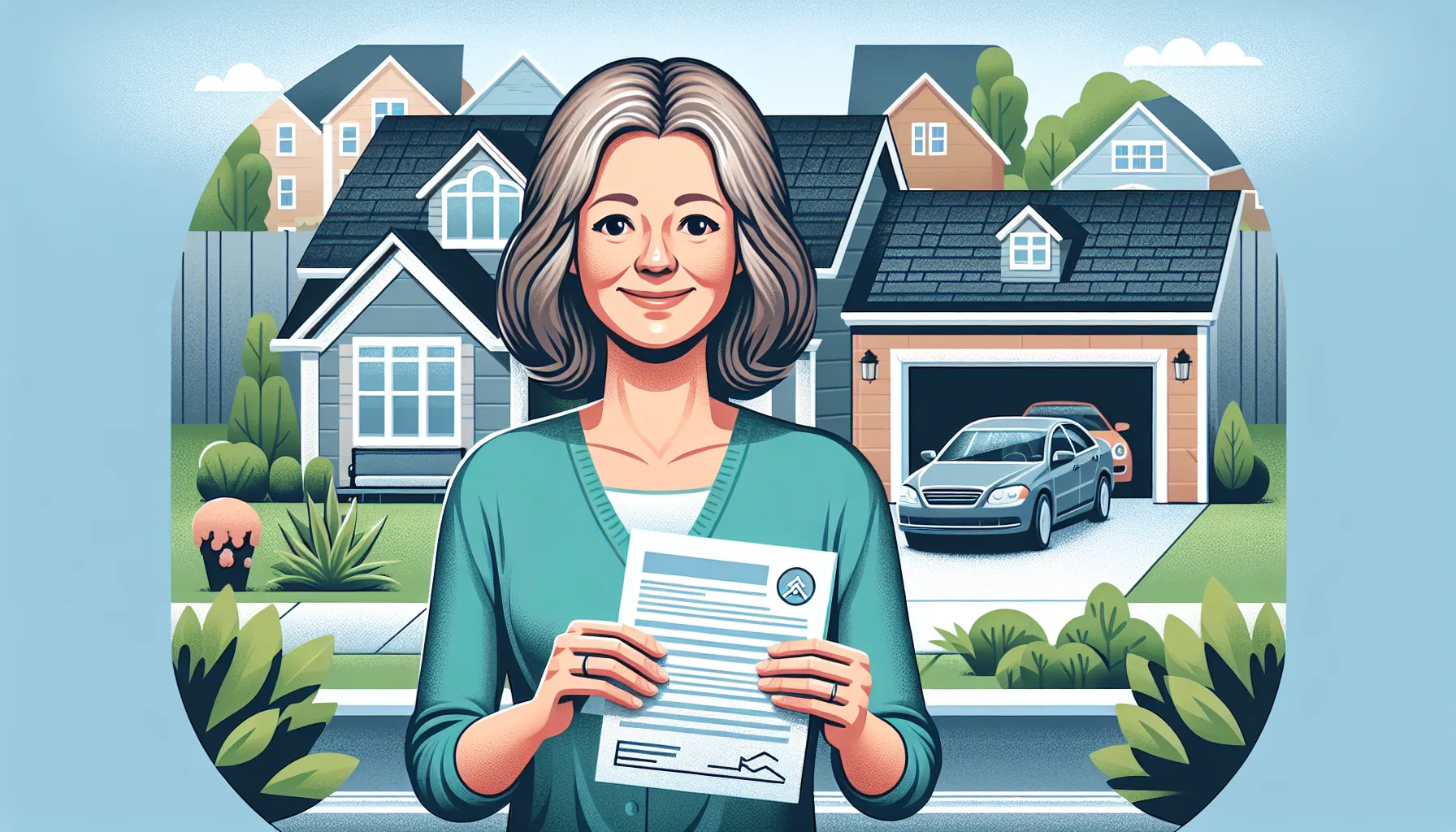
Bankruptcy protection brings legal options that can pause or even stop repossession. Which type feels most suitable for your situation? Let’s break down the two most common paths.
Chapter 7 Bankruptcy
Chapter 7 bankruptcy may offer a lifeline if unsecured debt feels overwhelming. Filing creates an automatic stay, immediately stopping repossession efforts on vehicles or homes while the bankruptcy is active. In many cases, you might keep your property by using exemptions that protect certain assets from being sold. Many people ask, do these exemptions cover everything you own? Usually, they protect basics like vehicles within a certain value and personal belongings. If keeping your specific assets is your top concern, would you want to know which exemptions apply to your circumstances?
Chapter 13 Bankruptcy
Chapter 13 bankruptcy works differently. It can help you keep valuable property like a car or home, even if you’re behind on payments. This option sets up a court-approved repayment plan where you catch up on overdue amounts over three to five years. During this time, creditors can’t take back your car or house as long as you meet the new payment terms. Does a structured plan to pay off what you owe sound like a better fit for your needs? Many find relief knowing they have time to adjust and protect their assets during financial hardship.
Steps to Avoid Repossession Through Bankruptcy
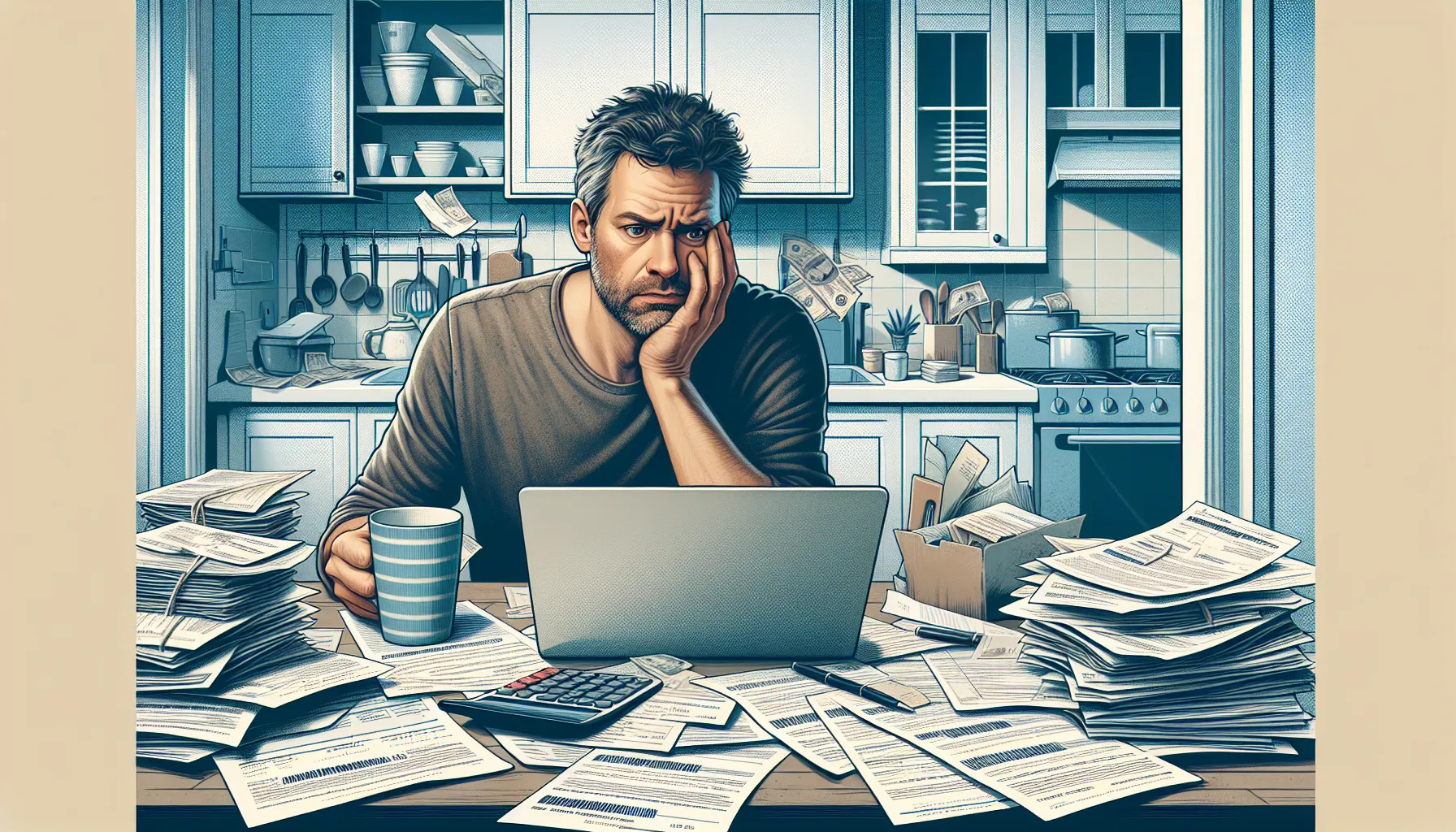
Facing the threat of repossession can feel overwhelming, especially when your home or car is on the line. We’re here to help you understand your choices and give you clear steps that can bring peace of mind. What questions do you have about protecting your assets right now?
Filing for Bankruptcy
Filing for bankruptcy starts with reviewing your financial situation. We gather details on your income, debts, assets, and expenses. Next, we help you prepare the necessary forms for the court. You’ll need to complete credit counseling before submitting your petition. Filing triggers legal protections that stop repossession immediately. Are you wondering what paperwork or information is most important to get started?
The Automatic Stay and Its Effects
The automatic stay takes effect as soon as your bankruptcy is filed. This court order requires creditors to stop all collection actions, including repossession and foreclosure. This pause gives you time to assess your options and plan without fear of losing your property. Have you experienced calls or letters from creditors since falling behind on payments?
Developing a Repayment Plan
A repayment plan, particularly under Chapter 13 bankruptcy, lets you catch up on overdue payments over three to five years. We work with you to calculate a plan you can manage based on your budget and the court’s requirements. This approach helps keep your home or vehicle while you resolve your debt. What questions do you have about setting up monthly payments that fit your financial situation?
Pros and Cons of Using Bankruptcy to Avoid Repossession
Using bankruptcy to stop repossession offers both immediate relief and long-term considerations. Understanding each can guide decisions about protecting assets like a home or car.
Pros
- Immediate Protection: Bankruptcy provides an automatic stay, so creditors must pause repossession efforts right away. This gives families peace of mind and a critical break to review their options.
- Asset Retention: Certain bankruptcy chapters, such as Chapter 13, often let us keep important property by catching up on missed payments with a structured plan. Many find this keeps stability for households.
- Debt Relief: Bankruptcy can discharge some unsecured debts, reducing monthly obligations. This makes it more manageable to afford essential payments.
- Affordable Process: Some firms advance costs and legal fees, allowing people to file without paying upfront. This removes financial pressure during a stressful period.
Cons
- Credit Impact: Filing for bankruptcy affects credit reports for years. Lenders see this history, which influences decisions about future loans or credit.
- Eligibility Requirements: Each bankruptcy chapter has specific qualifications and paperwork. Meeting those standards sometimes limits available options.
- Asset Risk: While many keep their home or car, assets outside standard exemptions could be sold to repay creditors, especially under Chapter 7.
- Public Record: Bankruptcy filings are public information. Some feel concerned knowing their financial situation can be accessed by others.
Thinking through the pros and cons helps us clarify whether bankruptcy might suit our situation. What concerns feel most pressing as you consider these options? Do you want to pause collections immediately, or are you focused on long-term financial recovery? Let’s consider what matters most to you when facing these choices.
Alternative Options to Bankruptcy
Exploring non-bankruptcy solutions to stop repossession often gives us more flexibility and may fit better with what we want for our future. Have you wondered what steps others have taken to keep their homes or vehicles without filing bankruptcy?
Loan Modification
Renegotiating loan terms sometimes leads to lower monthly payments or extended schedules. Lenders may consider this if they see an effort to stay current, especially with documented financial shifts.
Refinancing
Refinancing existing loans replaces high-interest debts with more manageable ones. This approach commonly lowers payment amounts or spreads repayment over a longer period, freeing up monthly cash flow.
Forbearance Agreements
Securing a pause on payments through a forbearance agreement gives us extra time. Lenders occasionally approve these when we face short-term setbacks like job loss or medical bills and can present a plan for getting back on track.
Repayment Plans
Setting up a structured repayment plan with a lender helps us catch up on missed payments over several months. Lenders may offer this solution after missed mortgage or car loan payments if we can show we’re able to meet new terms.
Voluntary Surrender
Choosing to return a vehicle or property to the lender without contest allows us to avoid repossession on our record. This option limits damage to credit more than forced repossession and may lead to negotiated payoff terms.
Selling the Property
Selling before repossession helps cover debts and sometimes leaves extra funds to start over. Those with equity in their properties often pick this route, especially when they want more control and less impact on credit.
Credit Counseling and Debt Management Plans
Credit counselors can review our whole financial picture and create a plan to repay debts. This process may include consolidating payments or negotiating reduced interest. Many people find the support helpful when feeling overwhelmed by collection notices.
Would a non-bankruptcy option feel more in line with your goals? What kind of outcome would make you feel most at ease about your property and credit moving forward? Each strategy offers pros and considerations, and seeking advice from financial or legal professionals often makes decisions clearer. Exploring all possibilities helps us decide what feels right before choosing or ruling out bankruptcy.
Conclusion
Facing repossession is overwhelming but we have options that can help us protect what matters most. Bankruptcy is just one path and it’s important to consider all available strategies before making a decision.
Let’s remember that we’re not alone in this process. By seeking professional advice and staying informed we can take confident steps toward financial stability and peace of mind.
Frequently Asked Questions
What is repossession?
Repossession occurs when a lender takes back property, such as a car or home, after the borrower misses payments. This legal action allows the creditor to recover their losses by selling the asset.
How can bankruptcy help stop repossession?
Filing for bankruptcy immediately triggers an “automatic stay.” This legal action halts all collection activities, including repossession, giving you time to assess your options and protect your property.
Which type of bankruptcy is best for stopping repossession?
Chapter 7 bankruptcy can temporarily stop repossession and may let you keep protected assets through exemptions. Chapter 13 often allows you to catch up on missed payments and keep your property with a structured repayment plan.
What is an automatic stay in bankruptcy?
An automatic stay is a court order that instantly stops creditors from pursuing collection actions, including repossession, as soon as you file for bankruptcy.
Can bankruptcy help me keep my car or home?
Yes, bankruptcy can help protect your car or home, especially under Chapter 13, by allowing you to repay missed payments over time and catch up on your loan.
Will bankruptcy erase all my debts?
Bankruptcy can discharge many unsecured debts like credit cards or medical bills. However, secured debts (like a mortgage or car loan) may require repayment to keep the asset.
Are there downsides to using bankruptcy to stop repossession?
Yes, bankruptcy affects your credit report for several years, may involve losing some assets, and becomes part of the public record. There are also eligibility requirements for filing.
What are alternatives to bankruptcy for stopping repossession?
Alternatives include loan modification, refinancing, forbearance agreements, repayment plans, voluntary surrender of property, selling the asset, and seeking help from a credit counselor.
How quickly does the automatic stay go into effect?
The automatic stay takes effect immediately upon filing for bankruptcy, requiring creditors to stop any repossession or collection actions right away.
Can I stop repossession if I am already behind on payments?
Yes, bankruptcy can temporarily stop repossession even if you’re already behind. Chapter 13 allows you to make up late payments and keep your property. However, prompt action is crucial.