
Financial stress can strain even the strongest relationships. Are you and your partner facing bills that seem impossible to pay, wondering if there’s a way out? You’re not alone. Many couples find themselves at a crossroads when debt piles up, wondering what bankruptcy might mean for their future. It’s normal to feel worried or uncertain right now. But with the right guidance and support, you can regain control, together. This guide will clarify the bankruptcy process for couples, answer your biggest questions, and offer practical steps to help you move toward a more hopeful financial future.
Find Strength Together—Shanner Law Offers Bankruptcy Support for Couples
Struggling with debt as a couple can be overwhelming—but you’re not alone, and you don’t have to face it without support. At Shanner Law, we understand the emotional and financial weight couples carry when bills pile up and options feel limited. Whether you’re considering Chapter 7 or Chapter 13, we’ll help you explore the right filing strategy for your shared situation, protect your assets, and plan a path forward. Ready to take the next step together? Contact us today for compassionate, experienced guidance built for couples navigating bankruptcy.
Key Takeaways
- Bankruptcy support for couples starts with open communication and honest assessment of debts and assets together.
- Filing bankruptcy jointly or individually impacts your credit, assets, and the type of relief available, so careful evaluation is essential.
- Understanding the differences between Chapter 7 and Chapter 13 bankruptcy helps couples choose the right path for debt relief and asset protection.
- Consulting a qualified bankruptcy attorney provides tailored guidance and helps navigate paperwork, court procedures, and creditor negotiations.
- Emotional support and seeking counseling can strengthen your relationship during bankruptcy, making it easier to cope and rebuild together.
Understanding Bankruptcy as a Couple
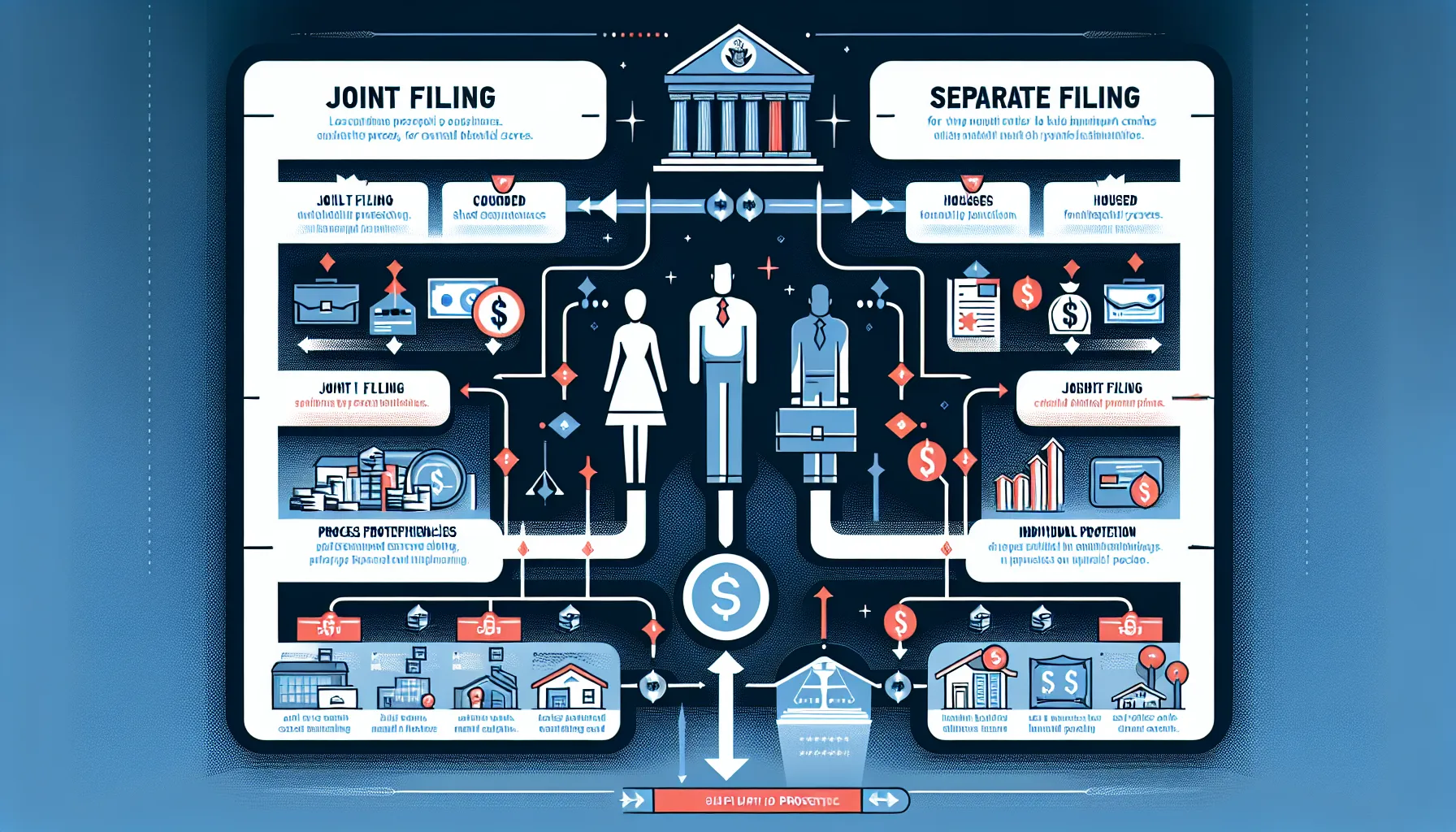
Bankruptcy is a legal tool that can help wipe out or reorganize overwhelming debt. For couples, it introduces unique questions, should you file jointly or separately? How will your individual and shared assets be treated?
When you file bankruptcy as a couple, the court considers both your incomes and debts. A joint filing can simplify the process, especially if most debts are shared. You and your partner submit one petition and combine your financial information. If one of you has separate debts or assets, a separate filing might make more sense.
Here’s something couples often ask: Will bankruptcy affect both our credit ratings? If you file together, it does. But if just one person files, the other’s credit might remain untouched, unless you both co-signed on debts. These are big decisions. Understanding your options early is essential so you can protect what matters most.
Common Reasons Couples Consider Bankruptcy
You and your partner might feel isolated in your struggles, but financial setbacks happen to many couples. What drives partners to explore bankruptcy?
- Medical Bills: Unexpected medical expenses are a leading cause of bankruptcy. These can mount quickly, even with insurance, and strain anyone’s budget.
- Job Loss or Reduced Income: A lost job or lower earnings drastically changes a household’s ability to pay bills.
- Credit Card Debt: High-interest credit cards can spiral out of control, especially if you’ve been relying on them to cover basics.
- Divorce or Separation: Splitting households can expose underlying debts. Sometimes, one partner is left responsible for joint debt.
- Business Losses: Couples who own a company together are at risk if the business faces hard times.
Can you relate to any of these? It’s worth knowing that couples from all walks of life sometimes choose bankruptcy for a chance to reset financially.
Types of Bankruptcy and Their Impact on Couples
Two bankruptcy types are most common for couples: Chapter 7 and Chapter 13. Understanding each helps you make informed choices together.
Chapter 7: Liquidation
In Chapter 7, most unsecured debts (like credit cards, personal loans, and medical bills) are wiped out. Some property may need to be sold to pay creditors, but many couples retain basic possessions through exemptions provided by law. If you own a house or car with loans, you may need to reaffirm those debts or risk losing the asset.
Chapter 13: Repayment Plan
Chapter 13 lets you keep more assets. You propose a debt repayment plan lasting three to five years, making manageable payments based on your income. Useful if you want to save your home from foreclosure or catch up on missed payments.
Joint vs. Individual Filings
Filing jointly is often helpful if both partners have significant joint debt. But, if only one spouse incurs most of the debt, filing individually might protect the other’s credit. Each couple’s situation is different, so weighing options carefully is crucial.
Thinking about your property or business? These factors influence which bankruptcy chapter fits your circumstances.
Steps to Take When Facing Bankruptcy Together
Facing bankruptcy may seem overwhelming, but a clear plan can make all the difference. Consider these steps:
- Open Communication
Talk with your partner honestly about your finances. Lay out all debts, income, and concerns. Avoid blaming each other, and focus instead on what you can solve together.
- Gather Financial Records
Collect pay stubs, tax returns, bills, mortgage or rental documents, and asset lists. Having everything ready will make each step smoother.
- Review Debt and Assets
Determine which debts are joint and which are separate. List out property, retirement accounts, savings, and personal assets. This overview will help you and your legal team build a strong case.
- Evaluate Bankruptcy Chapters
Based on your goals and what you want to protect, review your bankruptcy chapter options. This is where professional advice is critical.
- Consult a Bankruptcy Attorney
A seasoned attorney helps you pick the right type of bankruptcy and walks you through paperwork, court dates, and creditor meetings. They can also answer tricky questions, like protecting your home or rebuilding credit post-bankruptcy.
- Support Each Other
Patience and understanding go a long way. Couples who tackle problems as a team weather these challenges with more confidence.
Ready to take a step today? Talking to an expert can turn uncertainty into a plan.
Emotional and Relationship Challenges During Bankruptcy
Debt can create tension, guilt, or shame between partners. Bankruptcy introduces its own set of emotions. You might worry about losing the life you’ve built together or fear judgment from others.
It’s common to feel anxious about the future. Maybe you notice conversations growing shorter or arguments popping up where there used to be laughter. Recognizing these feelings is the first step to working through them.
How to Cope Together
- Keep the Dialogue Open: Check in with each other regularly. Ask how your partner is feeling, and listen without jumping to solutions unless asked.
- Lean on Trusted Friends and Family: Sharing your struggles helps ease isolation, but only do so with those who lift you up.
- Seek Counseling: Couples counseling can provide tools to strengthen your relationship during tough times.
- Focus on Small Wins: Celebrate steps forward, like filing paperwork or attending your first attorney consultation. Progress, even if slow, is worth acknowledging.
Remember: Financial hardship doesn’t define your relationship. Many couples emerge from this process stronger and more united.
Seeking Professional Help and Resources
Bankruptcy laws are detailed, and every couple’s financial picture is unique. Speaking with a qualified bankruptcy attorney gives you the guidance to make informed choices, protect your property, and understand your rights.
You don’t have to solve this challenge on your own. Legal professionals answer your specific questions, help you organize paperwork, and represent your interests during court proceedings.
Cost is often a concern, but many attorneys offer free initial consultations or payment plans to ease the burden. Taking the first step can provide relief, just knowing you have an experienced advocate on your side.
Beyond legal help, consider:
- Credit counseling agencies: Nonprofit groups can provide budgeting help and debt education.
- Financial coaches: A good coach can help you rebuild credit and plan for a future after bankruptcy.
- Local community services: Some offer support groups for financial stress, which many couples find comforting.
No two financial recoveries look exactly alike. With the right resources, you and your partner can take back control, one step at a time.
Conclusion
Facing bankruptcy together takes courage and trust. While the journey isn’t easy, seeking information and support shows real strength. Your financial past doesn’t have to decide your future.
By understanding your options, communicating openly, and reaching out for professional help, you and your partner can find your footing again. Remember, asking questions and taking action is a sign of wisdom and care, for each other and for your shared future.
What steps will you take today to begin your journey toward financial recovery? Your fresh start is full of new possibilities.
Frequently Asked Questions About Bankruptcy Support for Couples
What is bankruptcy support for couples and how does it work?
Bankruptcy support for couples involves resources, guidance, and legal processes designed to help partners manage overwhelming debt together. Couples can file jointly or individually, depending on their financial circumstances, and receive help from attorneys, credit counselors, and support groups to navigate debt relief and financial recovery.
Should couples file for bankruptcy jointly or separately?
Couples should consider filing jointly if most debts are shared, as it simplifies the process. However, if only one partner has significant debt, filing separately may protect the other’s credit. The best choice depends on the couple’s specific debts, assets, and overall goals—consulting a bankruptcy attorney is recommended.
How does filing bankruptcy as a couple affect our credit scores?
If you file bankruptcy jointly, both partners’ credit scores are affected. If only one spouse files and the debts are not joint, the non-filing spouse’s credit may remain unaffected. However, if both are co-signers on debts, both credit ratings could be impacted regardless of who files.
What are the main types of bankruptcy for couples?
The main types of bankruptcy for couples are Chapter 7 and Chapter 13. Chapter 7 eliminates most unsecured debts but may require selling some assets, while Chapter 13 allows couples to keep more property and repay debts over three to five years through a structured payment plan based on income.
How can couples emotionally support each other during bankruptcy?
Couples facing bankruptcy should keep communication open, check in regularly about feelings, and avoid blame. Seeking support from friends, family, or a counselor can help manage stress. Celebrating progress and facing challenges as a team can strengthen relationships during financial hardship.
Can bankruptcy help couples protect their home or car from foreclosure or repossession?
Yes, filing for Chapter 13 bankruptcy can help couples protect assets like a home or car by allowing them to catch up on missed payments through a structured repayment plan. Legal exemptions may also protect certain assets in Chapter 7, but outcomes depend on individual circumstances and local laws.