
Facing an urgent debt crisis can feel overwhelming, especially when the phone won’t stop ringing or court notices arrive unexpectedly. If you’re feeling anxious or uncertain about where to turn, you’re absolutely not alone. You may even wonder, “Is there anyone who can help me right now?” The good news is that you don’t have to figure this out by yourself. With the right emergency debt legal help, you can take back control, protect your rights, and start planning for a better financial future. What steps should you take first? Let’s walk through how you can get immediate support and what to expect along the way.
Key Takeaways
- Emergency debt legal help can stop wage garnishments, lawsuits, and foreclosure actions quickly to protect your assets.
- Recognizing urgent debt issues—like court summons, harassment, or sudden large debts—early makes it easier to secure helpful legal support.
- Debt attorneys can provide defense, negotiate with creditors, and explain bankruptcy or repayment options tailored to your situation.
- Gather important documents—such as court notices, debt statements, and proof of hardship—before your legal consultation for a faster response.
- Quickly reaching out for emergency debt legal help empowers you to regain control and plan for a stable financial future.
Recognizing When You Need Emergency Debt Legal Help
You might not expect a simple bill to spiral into a legal problem, but sometimes, issues move quickly. How do you know when it’s time to seek urgent legal guidance?
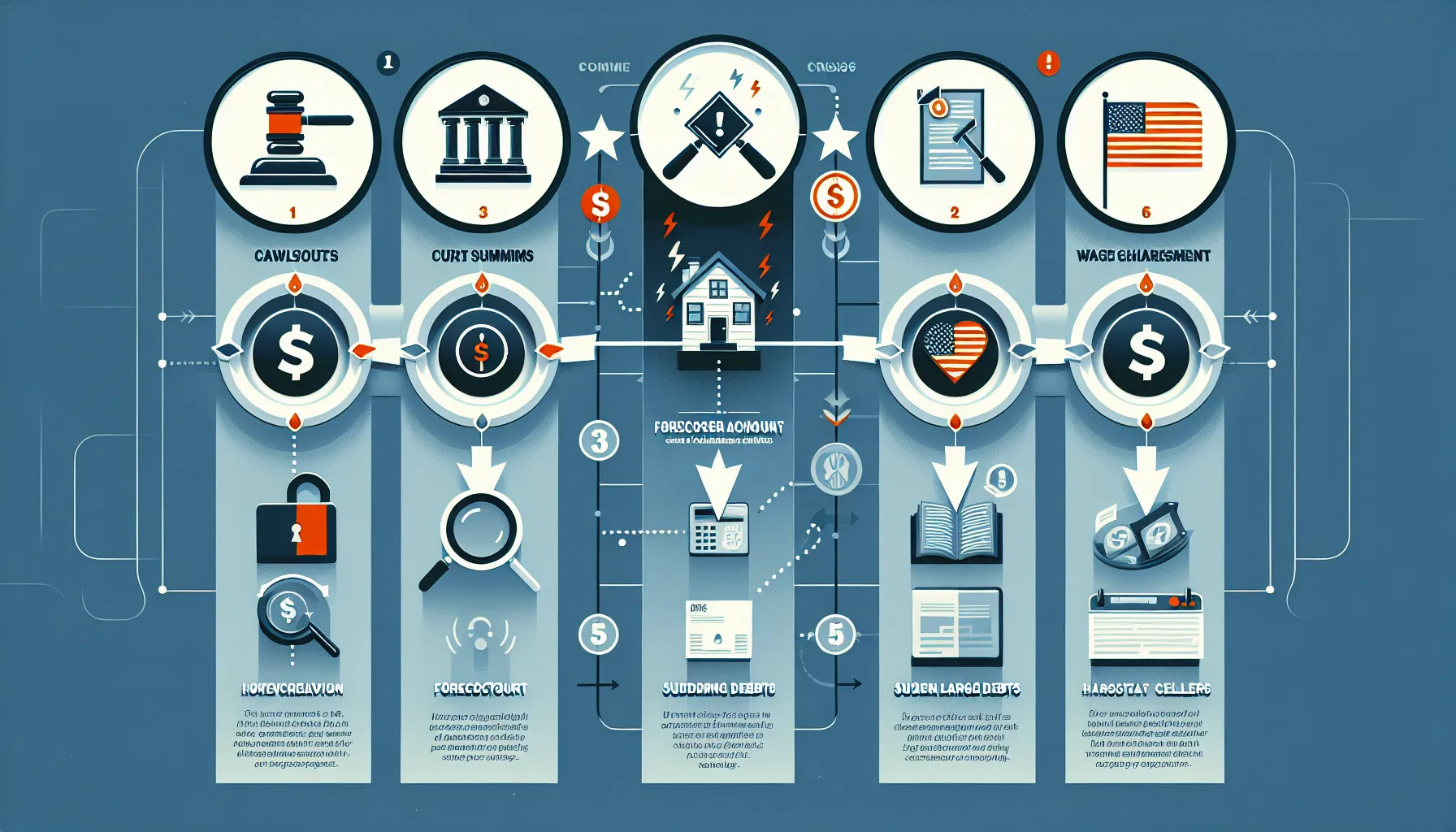
Common Situations That Require Urgent Legal Aid
- Lawsuits or Court Summons: If you’ve received a lawsuit or a court summons from a creditor, time is critical. Ignoring legal documents can lead to automatic judgments against you, which only makes things harder down the line.
- Wage Garnishment or Bank Levies: Has your paycheck or bank account been frozen? That’s a clear sign you need immediate help to protect your money and discuss your options.
- Foreclosure Notices: If your mortgage lender has started foreclosure proceedings, early intervention may give you better choices to save your home.
- Harassment by Debt Collectors: When collectors break the law by threatening you, calling at odd hours, or using abusive language, there are laws in place to defend you.
- Sudden Large Debts or Errors: Sometimes you discover a mistake or fraud has left you with a substantial, unexpected debt. Acting fast can help limit the damage.
Recognizing these red flags early allows you to move forward with more confidence. Is one or more of these situations happening to you right now? If so, legal support may be your most important next step.
Types of Legal Support Available for Debt Emergencies
The kind of help you need will depend on your circumstances. Understanding your choices can make you feel more prepared.
- Debt Defense: If you’re being sued over an unpaid debt, a debt defense attorney can review your case, check for mistakes, and help raise valid defenses. Sometimes debts are too old to collect, or the amount claimed is wrong.
- Bankruptcy Representation: For some, bankruptcy is the best option to stop collections and start over. A bankruptcy lawyer explains the types (such as Chapter 7 or 13), what property is protected, and what debts can be erased.
- Foreclosure Defense: If your home is at risk, an attorney can work to delay or stop the foreclosure, negotiate with your lender, or help you with alternatives that fit your needs.
- Negotiation and Mediation: Sometimes, it’s possible to arrange settlements or more manageable repayment plans instead of going to court. Legal professionals help review agreements to make sure your interests are protected.
- Protections from Creditor Harassment: There are strict rules about how and when collectors can contact you. A lawyer will step in if those rights are violated, and potentially seek damages on your behalf.
It’s natural to wonder which of these solutions fits your particular case. An experienced debt attorney can help you assess what’s best for your situation.
How to Find and Access Emergency Debt Legal Assistance
When time is of the essence, quick action matters. Where should you start your search?
- Referrals and Legal Aid: Start with recommendations from friends, trusted financial advisors, or local organizations. Legal aid societies often provide free or low-cost advice for those who qualify.
- Bar Association Directories: State and local bar associations frequently maintain lists of qualified attorneys and often have a referral line to guide you.
- Online Research with Caution: Many websites offer lists of lawyers, including reviews. Look for attorneys who focus on debt defense, foreclosure, or bankruptcy, those with plenty of experience in urgent matters.
- Immediate Phone Consultations: Many attorneys offer quick phone consultations, sometimes even the same day, so you can get advice fast. Don’t be afraid to call multiple attorneys and ask about response times.
- Gathering Paperwork Early: While searching for legal help, collect your notices, bills, and correspondence. Being prepared will help speed things up once you connect with an attorney.
Have you already taken steps to reach out for assistance? If not, making that first call or sending an inquiry could make a significant difference in your outcome.
Preparing for Your Consultation: Documents and Information Needed
Once you’ve arranged a consultation, being ready ahead of time helps you get the most from that meeting. What should you bring?
- Legal Documents: Court papers, summonses, or foreclosure notifications. Anything with a deadline deserves special attention.
- Debt Statements: Recent bills, collection letters, and a breakdown of who you owe and how much.
- Income and Asset Information: Pay stubs, bank statements, and a list of what you own. This will help the attorney see the bigger picture.
- Correspondence Records: Notes you’ve taken about phone calls with collectors, saved voicemails, or copies of emails.
- Proof of Hardship (if applicable): Documentation of job loss, injury, or other problems that have affected your finances.
Using a simple folder or organizer can help keep these documents within reach. The better prepared you are, the more specific the legal advice will be. What do you hope to get out of your first meeting? Jot down your main questions in advance so your lawyer can address them right away.
Short-Term and Long-Term Strategies for Debt Relief
Solving a debt emergency doesn’t happen overnight, but every positive action counts, both immediately and over time.
Short-Term Solutions:
- Stop Immediate Actions: Filing certain documents (like a bankruptcy petition) or having an attorney intervene may pause collections or foreclosures right away.
- Negotiate Temporary Holds: A lawyer may negotiate with creditors for extra time or payment holds while you work a plan out.
- Cease Harassment: Legal action can put a stop to unlawful collector behavior quickly.
Long-Term Relief:
- Debt Settlement or Repayment Plans: Your attorney can help arrange more affordable payment schedules or negotiate debts down to manageable amounts.
- Bankruptcy as a Last Resort: For some, bankruptcy provides the clean slate needed for a true fresh start, though it comes with long-term considerations for your credit and property.
- Financial Counseling: Sometimes, pairing legal action with education about budgeting and personal finance can help avoid similar problems in the future.
Which option will work best for you may depend on your goals, do you want to keep your home, erase collections, or simply make peace with creditors? Every debt situation is different, but strong legal guidance brings clarity and more options.
Conclusion
Urgent debt issues don’t have to control your life or your peace of mind. Remember, thousands of people reach out every year for emergency debt legal help and find solutions they never thought possible. Facing a lawsuit, foreclosure, or harassment is stressful, but it’s also a moment for positive change. With quick action and the right legal support, you can stand up for your rights and choose your path forward.
Still weighing your options? Take a deep breath and reach out for the guidance you deserve. You may discover that your first step today opens doors to more security, and relief, than you thought possible.
Frequently Asked Questions About Emergency Debt Legal Help
What situations require emergency debt legal help?
Emergency debt legal help is often needed if you’re facing lawsuits, court summons, wage garnishment, bank account freezes, foreclosure notices, or harassment by debt collectors. Acting quickly in these situations can protect your rights and help you avoid further financial consequences.
How can a debt attorney help with urgent debt problems?
A debt attorney can defend you in lawsuits, stop or delay wage garnishments and foreclosures, negotiate manageable repayment plans, and protect you from creditor harassment. Their experience with debt emergencies ensures your case is handled effectively and your legal rights are safeguarded.
What documents should I prepare for a debt legal consultation?
For your first meeting, bring court notices, debt statements, pay stubs, bank statements, records of communication with creditors, and any proof of financial hardship. Having these documents ready helps your attorney give accurate, tailored advice for your emergency debt situation.
How do I find emergency debt legal help quickly?
Start by getting referrals from friends, financial advisors, or local legal aid organizations. Check state or local bar association directories, and contact attorneys who specialize in debt, foreclosure, or bankruptcy. Many lawyers offer fast phone consultations for urgent cases.
Can bankruptcy stop debt collection actions immediately?
Yes, filing for bankruptcy, such as Chapter 7 or Chapter 13, triggers an automatic stay that pauses most collections, lawsuits, and foreclosures. This provides immediate relief while you work with your attorney to develop a long-term solution. However, bankruptcy has lasting effects on credit.
Is emergency debt legal help free or low-cost?
Some legal aid societies and nonprofit organizations offer free or low-cost emergency debt legal help to people who qualify based on income. Many attorneys also provide initial consultations at no charge. Always ask about costs and payment options before hiring a lawyer.