
Are you worried about losing your car in San Diego because of missed payments or unexpected financial challenges? You’re not alone, and it’s understandable to feel stressed and unsure about what steps to take next. Many people face the fear of repossession at some point, often because of circumstances beyond their control. But what if you could better understand your rights, learn practical solutions, and discover support that can help you keep your vehicle and protect your financial future?
This guide is created for people just like you, those looking for clear answers, step-by-step guidance, and a sense of security when facing repossession. Let’s walk through what you need to know and the actions you can take right now to stop repossession in San Diego.
Stop Repossession in San Diego—Shanner Law Can Help You Take Back Control
Worried about losing your car due to missed payments or financial hardship? You don’t have to face repossession alone. At Shanner Law, we help San Diego residents understand their legal rights, explore options like loan reinstatement and bankruptcy, and take fast action to protect their vehicles. Whether you’re facing threats from lenders or already received a notice, we’re here to give you clarity and support. Don’t wait—contact us today and take the first step toward protecting your car and your future.
Key Takeaways
- Understanding your rights and the repossession laws in San Diego empowers you to stop repossession before it happens.
- Immediate communication with your lender is crucial if you want to prevent repossession and keep your vehicle.
- California law often allows you to reinstate your loan or negotiate a modification to stop repossession in San Diego.
- Filing for Chapter 13 bankruptcy can temporarily halt repossession, giving you time to reorganize your finances.
- Seeking legal assistance or local resources in San Diego can provide expert help when facing wrongful or confusing repossession actions.
- Maintaining responsible financial habits and building credit are key to preventing future repossession issues.
Understanding Vehicle Repossession in San Diego
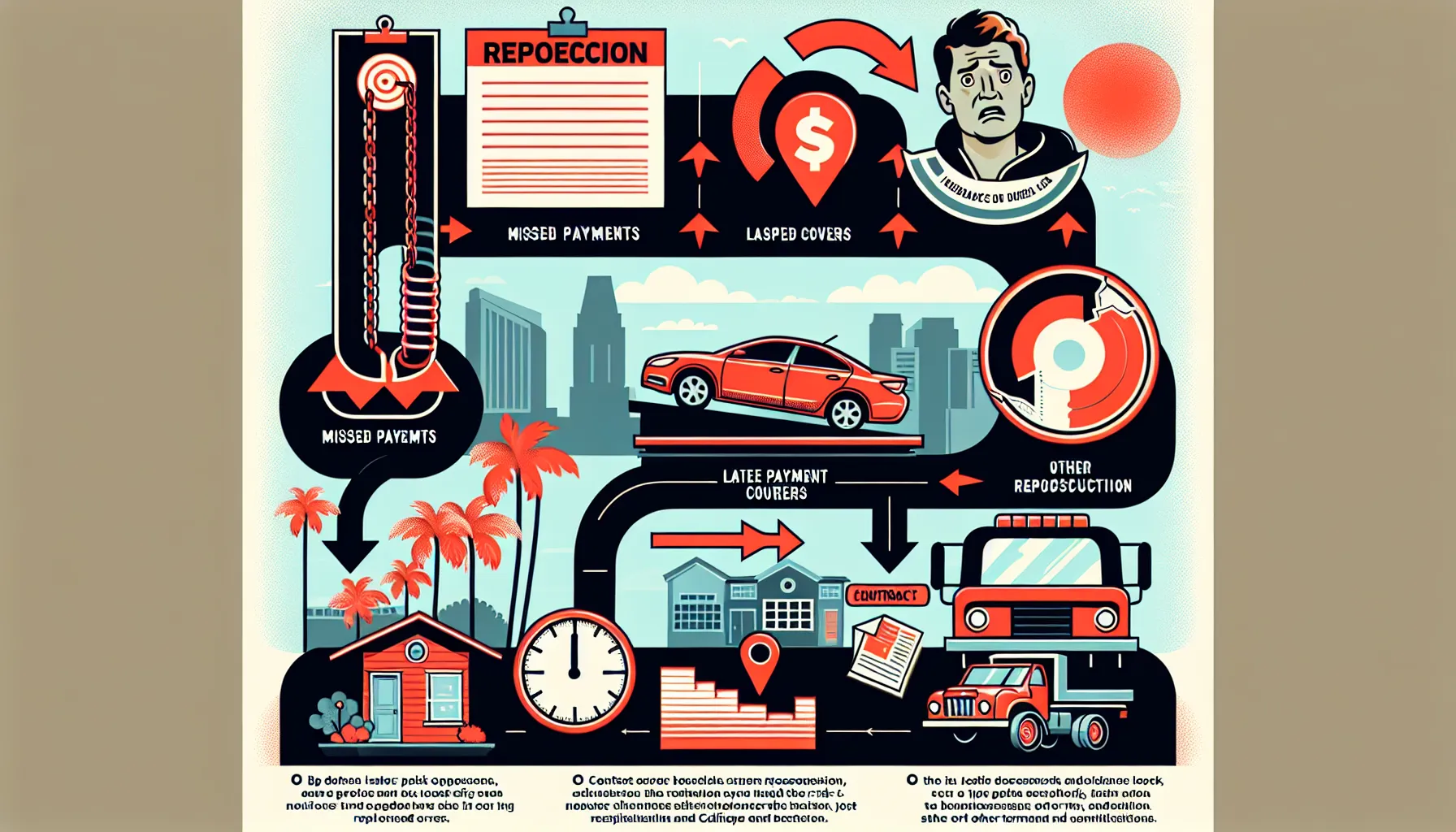
Facing potential repossession can feel overwhelming. By understanding the basics, you can start to feel more in control and prepared for what might come next.
Common Reasons for Repossession
Most repossessions happen because of missed loan payments. But did you know there are other reasons, too? Sometimes, if you let your insurance lapse, it could violate your agreement, giving the lender rights to your vehicle. Failing to meet other contract terms, like moving without notifying your lender, can also become an issue. Even a single missed payment can trigger the process, so lenders rarely wait long before taking action.
The Repossession Process Explained
Here’s what typically happens: If you default on your auto loan, the lender doesn’t have to warn you before taking your car, this is allowed under California law. The lender hires a repossession company that can take your car from your driveway or a public place, as long as there’s no breach of peace. Afterward, you get a notice about what’s owed and how much time you have to respond. If you act quickly, you may have a chance to recover your vehicle or stop the process altogether.
Legal Rights and Protections Against Repossession
It’s crucial to know your rights, both before and after repossession happens. Many people feel powerless, but the law provides more protection than you might think.
State and Federal Laws
In California, lenders must follow strict guidelines. They cannot use threats or force. Federal law, mainly the Uniform Commercial Code (UCC), also adds layers of consumer protections. For example, a lender can’t enter a locked garage to take your car, and they must avoid causing scenes that could put you or your family in unsafe situations.
Consumer Rights Before and After Repossession
Before repossession, you have the right to pay what you owe and reclaim your vehicle in many cases. After the repossession, lenders must notify you about what will happen to your car, including auction details and your right to buy it back. You also have the right to demand an accurate accounting of your loan balance and fees. If anything feels unfair or aggressive, you can file a complaint or take legal action.
Effective Strategies to Stop Repossession
Stopping repossession requires quick, informed action. What are your options if you want to keep your car and protect your credit?
Communicating With Your Lender
Open and early communication goes a long way. If you fall behind or anticipate trouble making payments, reach out to your lender right away. Many lenders prefer to work out a solution instead of repossessing the vehicle, sometimes, a quick phone call can put a pause on the process while you negotiate an arrangement.
Reinstatement and Loan Modification Options
In California, you often have a right to “reinstate” your loan, that means catching up on overdue payments, including fees, to bring your account current. Alternatively, you can ask your lender about modifying your loan terms. This might include a reduced payment plan, an interest rate adjustment, or even deferring payments temporarily until you get back on your feet. Don’t overlook these possibilities, many people recover their vehicles simply by understanding and exercising these options.
Filing for Bankruptcy Protection
In urgent situations, bankruptcy can be a powerful legal tool. Filing for Chapter 13 bankruptcy, for example, hits the pause button (the “automatic stay”) on collection actions, including repossession. This gives you time to reorganize your finances and propose a plan for paying off missed payments. Bankruptcy does have long-term impacts on your credit, so it’s usually a last resort. But, for some, it’s a critical lifeline that can make the difference between losing and keeping your means of transportation.
Seeking Legal Assistance in San Diego
Sometimes, the repossession process or debt collection actions go too far. When should you look for professional legal help, and where can you turn locally?
When to Consult an Attorney
If you receive threatening calls, unclear paperwork, or you’re unsure about your next step, a legal consultation can provide much-needed relief. Attorneys can explain your rights, defend you against wrongful repossession, and even negotiate on your behalf with lenders. If your situation feels too complex, or if you suspect your rights were violated, reaching out to a professional is a wise step.
Available Local Resources
San Diego offers many support options, from legal aid organizations to private law firms specializing in debt defense and consumer rights. Local nonprofits and county resources may provide free or low-cost consultations. Even a single meeting with an experienced attorney can clarify your choices and give you a plan, help is available if you know where to look.
Preventing Future Repossession Issues
Once you’ve addressed the immediate issue, how can you strengthen your long-term financial security?
Managing Finances and Loans Responsibly
Start by tracking bills, automating payments, and keeping lines of communication open with your lender. If you struggle to make payments due to unexpected changes, don’t wait, contact your lender to discuss your options before missing a payment. Building an emergency fund, but small to begin with, can make a big difference in avoiding future loan trouble.
Building and Repairing Credit
Timely payments over time will help repair any damage to your credit. Review your credit report regularly to spot inaccuracies or signs of identity theft. If you need help, many local organizations offer free classes on budgeting and credit management. Steady improvements can open doors to better loan terms and lower costs down the road.
Conclusion
Facing possible repossession in San Diego can feel discouraging, but there are real solutions and protections available. When you understand your options, use your rights, and get support when you need it, you give yourself the best chance at keeping your vehicle and rebuilding your financial stability.
Remember, every situation is different. Don’t hesitate to seek guidance, there are local professionals ready to answer your questions and help you regain confidence. With determination, clear information, and the right support, you can move forward and protect your financial future.
Frequently Asked Questions About Stopping Repossession in San Diego
What steps can I take to stop repossession in San Diego?
To stop repossession in San Diego, contact your lender as soon as possible to discuss payment arrangements, reinstatement, or loan modification. Acting quickly and communicating openly may help pause or stop the process and allow you to keep your car.
What are my legal rights if my car is facing repossession in San Diego?
California law requires lenders to follow strict rules when repossessing a vehicle. They cannot use threats or force, must avoid breaching the peace, and must notify you about your rights after repossession, including the ability to buy back your car or dispute the process.
Can bankruptcy stop repossession in San Diego?
Filing for Chapter 13 bankruptcy can temporarily stop repossession through an automatic stay, giving you time to reorganize your finances and pay off missed payments. Consult with a bankruptcy attorney to understand the process and long-term effects on your credit.
How does a loan reinstatement work to prevent repossession?
Loan reinstatement means catching up on all overdue payments, plus any fees, to bring your account current. In California, you often have this right, so contact your lender to request reinstatement and halt the repossession process.
What should I do if I believe my repossession rights have been violated?
If you suspect your rights have been violated—such as improper notification, threats, or illegal repossession methods—consult a consumer rights attorney in San Diego. Legal professionals can help you challenge wrongful repossession and protect your interests.
How can I prevent future vehicle repossession in San Diego?
To prevent future repossessions, manage your finances responsibly, automate car loan payments, and communicate with your lender if issues arise. Building an emergency fund and monitoring your credit can help maintain financial stability and reduce the risk of missed payments.