
If you’re worried about losing your home to foreclosure in California, you’re not alone. The uncertainty and stress can weigh heavily, leaving you with more questions than answers. What options do you really have? Who can you trust to stand by your side when lenders start calling?
Facing foreclosure is never easy, but it is possible to fight back and protect what matters most. Clear information and the right support can make all the difference. This guide will help you understand how foreclosure works in California and outline practical steps you can take to defend your rights.
Protect Your Home with Experienced Legal Help from Shanner Law
Key Takeaways
- Foreclosure defense in California starts with understanding your rights and the foreclosure process, including crucial timelines and notices.
- Early communication with your lender can open up foreclosure defense options like loan modification, repayment plans, or forbearance.
- Carefully reviewing all foreclosure documents for errors is essential, as mistakes can provide a strong legal basis to challenge the process.
- Homeowners have the legal right to contest wrongful foreclosure practices and must stay alert to scams targeting those in distress.
- Working with a foreclosure defense attorney in California can increase your chances of protecting your home and securing the best possible outcome.
Understanding Foreclosure in California
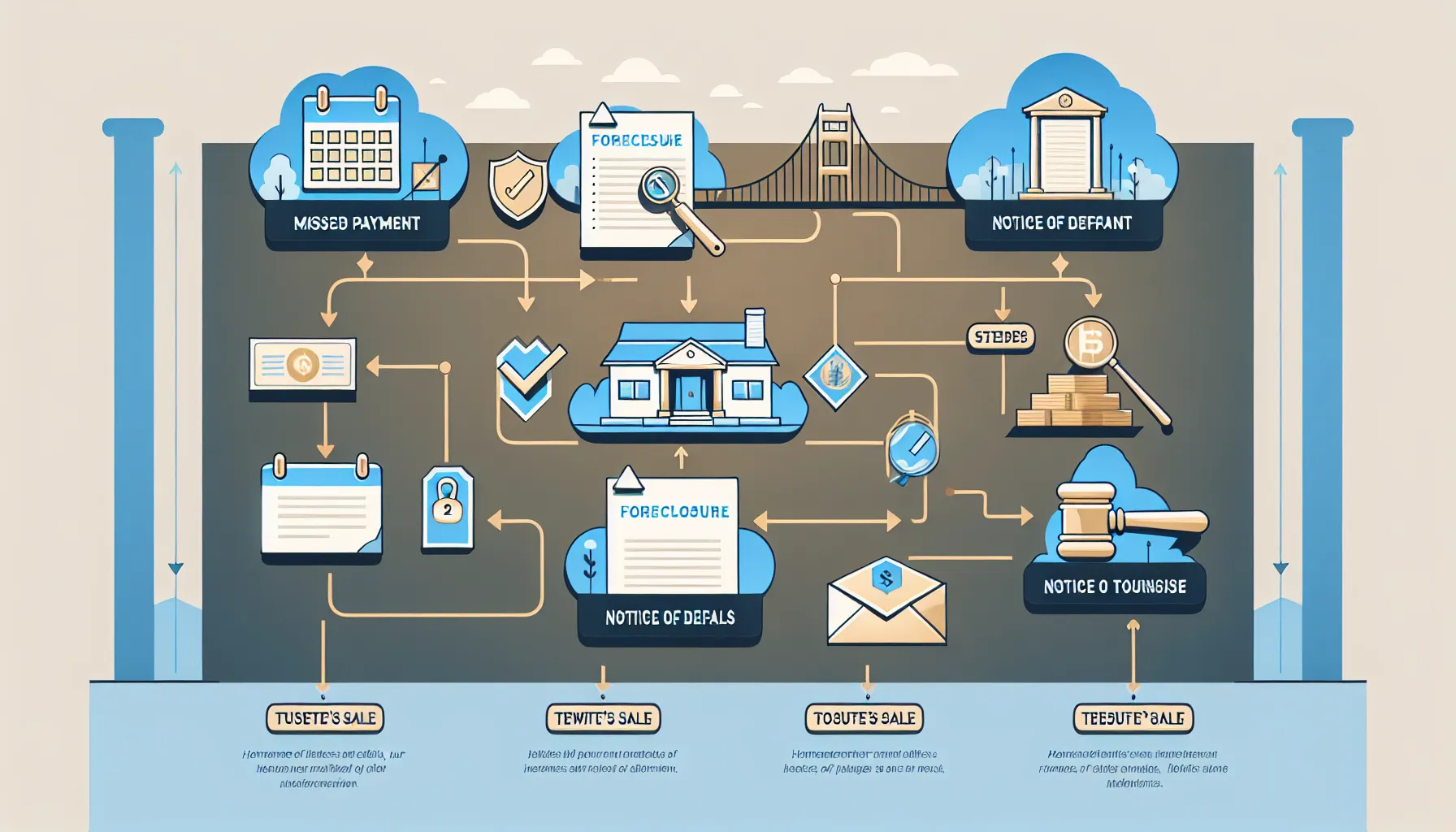
Foreclosure is the legal process lenders use to recover the balance on a mortgage when payments have fallen behind. In California, most foreclosures are non-judicial, which means the process happens outside of court through a series of statutory steps.
Here’s essentially how it works: If you fall behind on your mortgage, your lender can issue a Notice of Default (NOD) after 30 days of missed payments. This notice gives you at least 90 days to catch up. If payments remain overdue, the lender can then file a Notice of Trustee’s Sale, scheduling the property to be sold at auction no sooner than 21 days later.
It’s important to know you have options and rights throughout this timeline. Many homeowners don’t realize there are still several opportunities to resolve the issue or even stop the sale before the auction occurs.
Common Reasons for Foreclosure
Life can throw unexpected challenges your way. Most foreclosures in California stem from:
- Job loss or reduction in income
- Growing medical bills or health emergencies
- Divorce or family changes
- Sudden, major expenses
- Adjustable rate mortgage payment increases
Sometimes it’s a combination of these factors. Even responsible homeowners can struggle. If you’re facing foreclosure for any of these reasons, remember, you’re not the first, and more importantly, you have options.
Legal Rights of Homeowners Facing Foreclosure
California law offers important protections for homeowners.
Right to Advance Notice: Lenders must provide you with a Notice of Default and give you at least three months before the sale date. You’re also entitled to a separate Notice of Trustee’s Sale.
Opportunity for Resolution: Until five days before the scheduled sale, you can reinstate your loan by catching up on missed payments plus fees. The law aims to give you a fair chance to keep your property.
Protection from Wrongful Practices: There are strict rules against unfair lender behavior. If you think your lender is not following the proper process or you suspect errors in their paperwork, you have the right to challenge the foreclosure.
Avoiding Scams: Sadly, some people try to target homeowners in distress. Always verify offers for help and beware of anyone asking for upfront fees or making promises that sound too good to be true.
Knowing your rights helps you take confident steps, sometimes small actions early on can change the outcome entirely.
Effective Foreclosure Defense Strategies
Protecting your home requires both quick action and long-term thinking. Here are proven steps you can take:
1. Communicate With Your Lender
Don’t ignore their letters or calls. Openly discussing your situation can open up solutions like loan modification, a repayment plan, or forbearance.
2. Review All Documents
Check every notice or letter you receive. Mistakes do happen, sometimes payments are misapplied or notices are sent to the wrong address. These errors can form the basis for a strong defense.
3. Consider a Loan Modification or Repayment Plan
Lenders often prefer to work out a deal instead of foreclosing. A loan modification may lower your payments or extend your repayment period, providing some breathing room.
4. Challenge the Foreclosure in Court
If you believe the lender has made a serious mistake or acted illegally, you can contest the foreclosure in court. Issues like failure to properly notify you or incorrect accounting give you solid grounds to fight back.
5. Explore Bankruptcy as a Last Resort
Filing for bankruptcy can temporarily stop a foreclosure sale and give you time to reorganize your finances. It’s a serious step, but for some, it offers a path to keeping the home.
Your situation is personal, and the right strategy depends on your circumstances. Early action gives you the best chance of success.
Working With a Foreclosure Defense Attorney
Many homeowners feel overwhelmed trying to handle foreclosure alone. A skilled attorney can explain your rights, point out overlooked opportunities, and advocate for you throughout the process.
Here are ways an attorney can help:
- Evaluating Your Case: They’ll examine your loan documents and communication from your lender for any errors or legal violations.
- Negotiating With Lenders: Attorneys know how to work with lenders to find solutions that fit your needs, often opening doors that aren’t available on your own.
- Filing Legal Challenges: If your rights have been violated, a lawyer can take action in court to stop the foreclosure process.
- Providing Peace of Mind: Just knowing you have someone in your corner can make the process less stressful and help you focus on your next steps.
If you’re feeling stuck, asking for help is a sign of strength. You don’t have to face foreclosure alone.
Conclusion
California’s foreclosure laws are complicated, but you have options and protections. Taking early, informed action can make a difference, whether that means negotiating with your lender, challenging a foreclosure notice, or consulting an attorney.
Are you ready to fight for your home? Reach out today for a consultation with an experienced foreclosure defense attorney who understands California law. The right support can help you protect your rights, explore all available solutions, and reclaim a sense of financial stability.
Don’t wait until it’s too late to act. Your home, and your future, are worth defending.
Frequently Asked Questions About Foreclosure Defense in California
What are my rights during the foreclosure process in California?
Homeowners in California have the right to receive a Notice of Default, giving at least 90 days to catch up on payments. You are also entitled to a Notice of Trustee’s Sale and the opportunity to reinstate your loan up to five days before the sale.
How can I defend against foreclosure in California?
Effective foreclosure defense strategies include communicating with your lender, reviewing all foreclosure documents for mistakes, seeking loan modifications, contesting wrongful foreclosures in court, and considering bankruptcy as a last resort. Consulting a foreclosure defense attorney can strengthen your position.
Can I stop a foreclosure sale after receiving a Notice of Trustee’s Sale?
Yes, in California, you can still stop the foreclosure sale by reinstating your loan, paying missed payments and fees, any time up to five days before the scheduled sale date. Prompt action during this window is crucial to protect your home.
What are common scams to avoid during foreclosure defense?
Beware of anyone demanding upfront fees or making unrealistic guarantees about saving your home. Always verify offers for help, as scammers often target distressed homeowners facing foreclosure in California.
Do I need a foreclosure defense attorney in California?
While not legally required, working with a foreclosure defense attorney can improve your chances of a favorable outcome. An attorney can identify errors, negotiate with lenders, and defend your rights, providing guidance and peace of mind throughout the process.
How long does the foreclosure process take in California?
From the issuance of a Notice of Default, California’s foreclosure process typically takes at least 111 days, including a 90-day reinstatement period and a minimum 21-day notice before the property can be sold at auction.